Adults


10 Years On: what’s changed in the nation’s mental health, and what hasn’t
To mark our tenth year, we commissioned new research into how the UK’s relationship with mental health has shifted over a decade. Here is the first set of findings.

Why we did this
For ten years, our psychologists and psychiatrists have been observing how people think and talk about mental health and how this is evolving over time. In this decade, we’ve supported more than 15,000 people, and we’ve watched who comes to us, and why, change year by year.
We wanted to test what we were seeing in the clinic against the country as a whole. This led us to commission Opinium to survey 2,000 UK adults about how they’ve struggled, who they told and where they turned to, from a decade ago to today. The result is 10 Years On: The State of the Nation’s Mental Health.
“Ten years in the therapy room gave us strong instincts about what’s changed. This research let us test them. Some findings confirmed what we see every day. Others surprised us.”
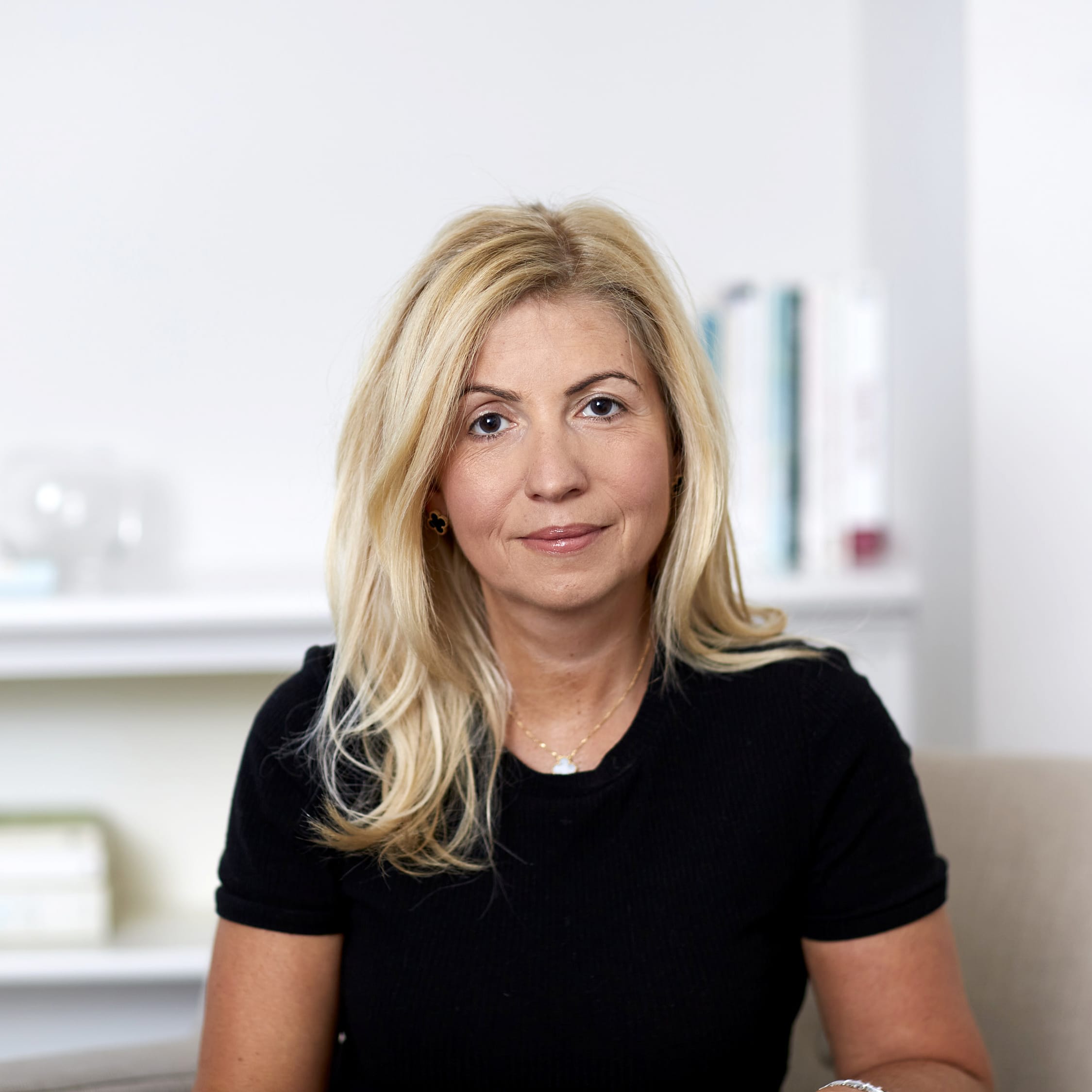
Dr Elena Touroni, Founder
What we found

1. More of us are seeking help before we hit crisis
Preventative help-seeking has more than doubled. 12% of people now seek support to get ahead of problems, compared with 5% a decade ago.
What we see in the clinic: the threshold for picking up the phone has dropped. People once came to us after years of trying to fix things alone. Now many come to understand themselves and head things off early. Over the past two or three years we’ve also seen more couples come in before they marry. Workplace wellbeing culture has played its part, giving people permission to seek help to function better, not only when something has broken.
2. Openness looks very different depending on your age
Half of Boomers (51%) believe mental health is less stigmatised than it was a decade ago. Only a quarter of Gen Z (25%) agree.
What we see in the clinic: the biggest growth in our own client base has come from people in their twenties, students and early-career professionals who see therapy as a normal part of life rather than a last resort. Yet they’re the generation least convinced the stigma has gone. At the other end of the age range, we’re seeing more first-time clients in their fifties and sixties. And something we find moving: therapy is travelling up the family tree, as adult children encourage their parents to come in.
3. The generation that struggles most is the least likely to turn to the system
73% of Gen Z have struggled with their mental health over the past decade, the highest of any generation. Yet only 32% turn to the NHS or a GP, against 58% of Boomers. And Gen Z are the most likely to say they didn’t know how or where to get support (13%).
What we see in the clinic: social media is rarely the reason a young person comes to us. Our clinicians see it as an amplifier, not a cause. It doesn’t create vulnerability, but it multiplies the ways a vulnerable young person can be reached. You can now be bullied in lots of different places instead of just at school.
4. Gen X are carrying it alone
Among Gen X who struggled in the past month, 42% told nobody. Men of every age are holding back too, with those who struggled recently half as likely as women to speak to a mental health professional (8% vs 16%).
5. Who we turn to has changed

A decade ago, the GP was the person we were most likely to speak to when we were struggling (42%). Today it’s a partner (28%), with the GP down to just 16%. A new confidant has arrived too, with 8% of people who struggled in the past month turning to an AI chatbot, up from 1% a decade ago.
What we see in the clinic: people now arrive having read, watched or asked a chatbot about what they’re experiencing. They come more informed, but that doesn’t mean they are always better informed, so much of our early work is taking a buzzword-heavy self-diagnosis apart to build a fuller, more personal understanding in its place.
“Arriving with a theory is a good starting point. Our job is to test it properly, and to make sure the plan someone leaves with fits them, not a label borrowed from their feed.”
Dr Tom Pennybacker, Consultant Psychiatrist
6. Neurodivergent adults are more likely to be struggling
86% of people with ADHD or autism said they had struggled with their mental health, compared with 53% of people who don’t identify with a neurodivergent condition.
What we see in the clinic: neurodiversity hasn’t suddenly become more common, however, recognition has definitely caught up. We’ll explore what sits behind this figure in our next release.
This is only the beginning
These are the first findings from 10 Years On. There’s much more in the data, and over the coming weeks we’ll be unpacking it here and across our channels: the changing role of partners and family, men and help-seeking, the rise of AI as a confidant and, in November, a dedicated release on neurodiversity.
Follow us on Instagram , Facebook and LinkedIn, so you don’t miss what comes next.
Always looking for better ways to help
This research came from the same instinct that has shaped the clinic for ten years: keep asking how care could be better, then act on the answer. It’s also why we recently launched Chelsea Connect, our new membership, created to give people more ways to access support from our team. Find out more about Chelsea Connect
Get in touch
Whether you’re worried about your own mental health or someone close to you, or you’d like to explore therapy before anything feels urgent, we’re here. Get in touch to book a consultation with our team.
About the research: 10 Years On: The State of the Nation’s Mental Health was commissioned by The Chelsea Psychology Clinic and conducted by Opinium. Research conducted online by Opinium, 11th to 14th August 2026, among 2,000 UK residents, weighted to be nationally representative. Respondents were asked about their mental health across two periods: the past month, and seven to ten years ago. Figures for each period refer to respondents who said they struggled with their mental health at that time. Figures for seven to ten years ago are based on respondents’ recollections.